

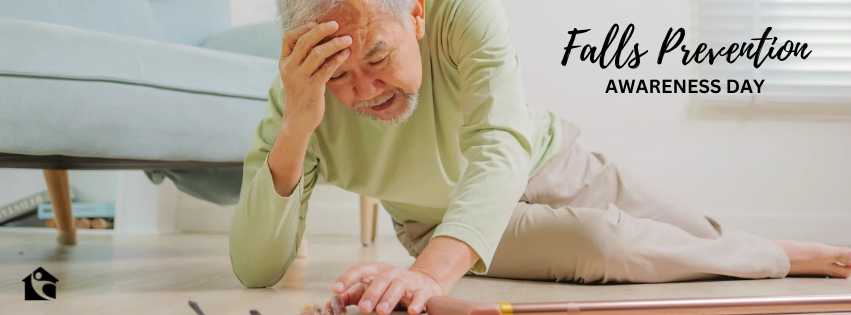
Falls are one of the leading causes of injury and loss of independence for older adults, but they are not an inevitable part of aging. Falls Prevention Awareness Day, observed annually on the first day of fall, aims to raise awareness about fall risks and educate individuals, families, and communities on how to reduce these risks.
Why Falls Prevention Matters
The statistics surrounding falls are startling. According to the Centers for Disease Control and Prevention (CDC):
- One in four Americans aged 65 and older falls each year.
- Falls are the leading cause of fatal and nonfatal injuries among older adults.
- More than 3 million older adults are treated in emergency departments for fall-related injuries annually.
Falls can lead to serious consequences, including broken bones, head injuries, and a decline in overall health and mobility. However, most falls are preventable with the right strategies.
Simple Steps to Reduce Fall Risks
- Exercise Regularly Strength and balance exercises, such as tai chi or yoga, can significantly reduce fall risks. These activities help improve muscle strength, coordination, and confidence in movement.
- Review Medications Certain medications can cause dizziness or drowsiness, increasing fall risks. Regularly review medications with your healthcare provider to minimize side effects.
- Vision and Hearing Checks Impaired vision or hearing can contribute to falls. Ensure regular check-ups and keep prescriptions for glasses or hearing aids up to date.
- Home Safety Modifications
- Remove clutter and trip hazards such as loose rugs or electrical cords.
- Install grab bars in bathrooms and handrails on staircases.
- Ensure adequate lighting throughout the home.
- Wear Appropriate Footwear Choose shoes that are sturdy, have non-slip soles, and provide proper support. Avoid walking in socks or loose-fitting slippers.
Community Efforts for Falls Prevention
Falls Prevention Awareness Day is an excellent opportunity for communities to come together and take action. Local organizations, senior centers, and healthcare providers can:
- Host fall prevention workshops and screenings.
- Provide exercise and balance training classes.
- Offer educational resources for older adults and caregivers.
How You Can Participate
- Spread the Word: Share information about fall risks and prevention strategies on social media or within your community.
- Check on Loved Ones: Help older family members or neighbors assess their home for safety hazards and encourage them to participate in fall prevention programs.
- Advocate for Change: Support policies and programs that promote safe environments and resources for older adults.
A Future Without Fear of Falling
By raising awareness and taking proactive measures, we can reduce the prevalence of falls and help older adults maintain their independence and quality of life. This Falls Prevention Awareness Day, take a step toward a safer, healthier future for yourself and your community.
