

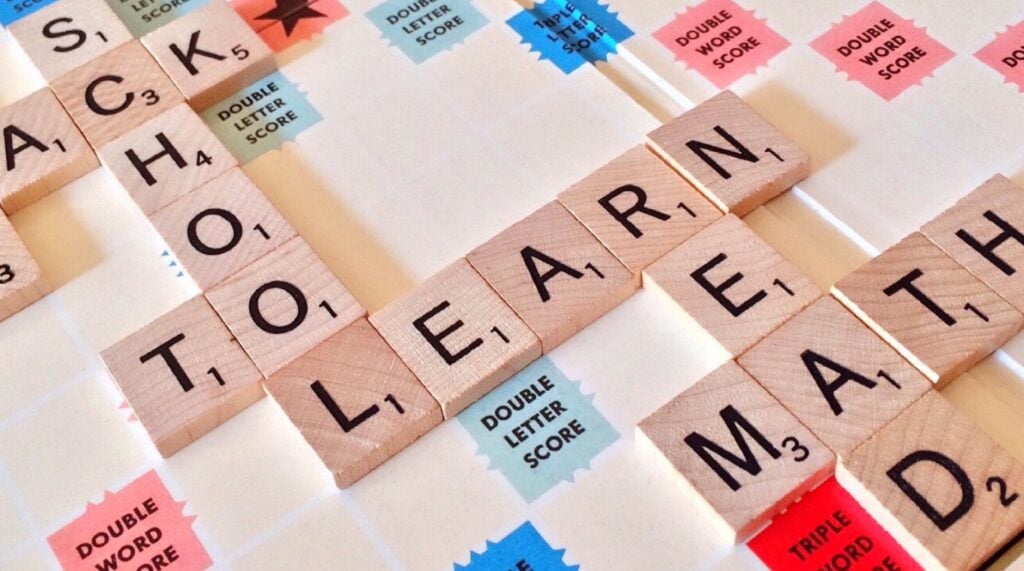
Kids are heading back to school here in Gainesville, FL. It’s part of the annual rhythm of life for school-aged children and their parents. But here’s a little pop quiz: why does learning have to be limited to the young?
For many of us, once we’re done with high school or college, we loathe the idea of sitting in another classroom and hoping we studied the right material as we pull out our No 2 pencil and begin the exam. Yet learning is good for your brain. Gaining knowledge and improving comprehension works your “mental muscles.”
In the so-called prime of life, it’s just about impossible NOT to keep learning. From recipes to driving directions to new policies and procedures at work to trying to keep up with what your kid wants for Christmas this week (it was something else last week). We have to keep learning in order to survive. But once some folks hit retirement age, that pattern of learning falls to the wayside. If you’re not careful, you can get intellectually flabby and weak.
This is not good. We’re all going to need our minds for many years to come. So in the spirit of “back to school,” here’s a few ways that aging seniors can continue the “reading and writing and ‘rithmetic” of their grammar school days.
Leading with Reading
Reading is one of the most effective ways to stimulate the brain. It engages memory, concentration, and imagination all at once.
Sure, you can read the news (if you still subscribe to the paper). Articles tend to be short, which is good if you find yourself having trouble concentrating. But if the news seems too negative and depressing, why not opt for a devotional book? You’ll keep your mind active and you may even find some inspiration for your day.
(PS: If your eyesight is giving you problems, you may want to opt for large print versions of your favorite author’s works. No sense getting frustrated with something you ought to be enjoying.)
The Write Stuff
Writing is more than putting words on paper—it is an exercise in organization, memory, and creativity. Yet how many seniors rarely write anything longer than a grocery list?
Writing doesn’t have to be an exercise in utility. Writing can be fun and cathartic. Writing can help you think…about thinking!
What can you write?
How about writing letters to your friends or acquaintances? I’m not talking about jotting off an email. I’m talking about a handwritten note. They’re so rare nowadays, they’ll make the recipient feel special (and you’ll be using lots of your brain when you put your thoughts to paper with a pen).
You could also journal or keep a diary. (it’s not just for teenage girls anymore!) Journaling is a great way to process your thoughts and feelings. And it may even help you later on in life should your memory start to fade.
Daily Math Activities Really Add Up
Arithmetic may seem basic, but it plays a vital role in maintaining logical thinking and problem-solving skills in your brain.
Simple ways to practice arithmetic include:
- Doing mental math during everyday tasks, such as calculating grocery totals or tips.
- Playing number-based games like Sudoku, cross-number puzzles, or card games..
Never. Stop. Learning.
Keeping the mind sharp is not about age—it is about activity. By embracing reading, writing, and arithmetic as daily habits, seniors can continue to learn, grow, and enjoy a vibrant mental life.
